Types of physical therapy for Parkinson’s disease
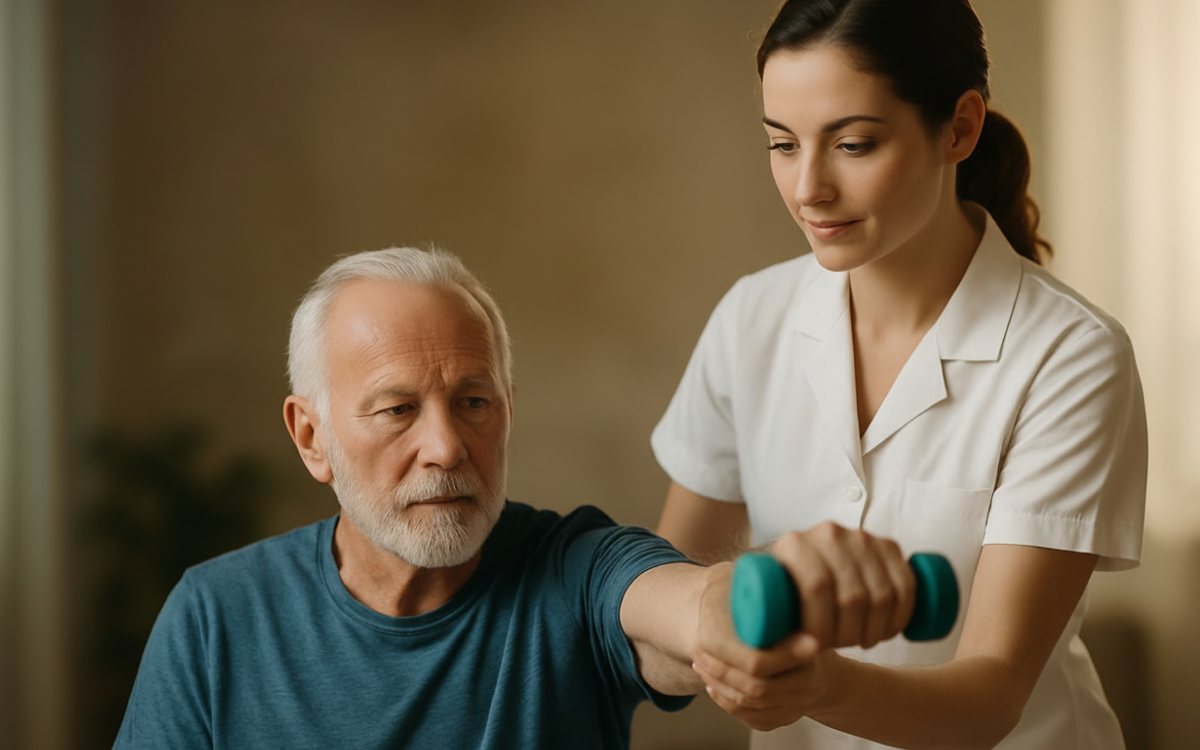
Parkinson’s disease is a neurodegenerative disorder that affects the parts of the brain that control motor function. Tremors, stiffness, and loss of balance are some of its common symptoms. Healthcare professionals often recommend physical therapy to manage the condition and slow its progression. They create personalized sessions based on one’s needs. Resistance training with light weights, balance routines, such as tai chi, and exercises like brisk walking are common inclusions in these sessions.
Physical therapy options
For Parkinson’s disease, there are three core approaches to physical therapy. These are aerobic exercise to build endurance, resistance training to increase strength, and balance/gait training to improve coordination. Most professional therapists tailor physical therapy for Parkinson’s disease to each person’s fitness level. The sessions are often short and progress slowly for sustainable gains.
Aerobic exercise
Moderate-to-high-intensity aerobic activities, such as stationary cycling and brisk treadmill walking, improves cardiovascular endurance. Over time, one’s energy levels increase, making routine activities easy. Completing longer walks around the block without getting tired also becomes possible. Furthermore, the severity of motor control symptoms reduces.
For aerobic exercise, 30-minute sessions three times per week are enough for noticeable improvements in stamina. Some common aerobic exercises that can be done under professional supervision include:
- Treadmill walking with visual or auditory cues to support steady pacing
- Recumbent biking for those with joint concerns
- Group dance or aerobics classes at local centres to encourage social connection along with fitness
Resistance training
Resistance exercises done using light dumbbells, elastic bands, and body weight help build strength in key muscle groups. As a result, essential movements, such as getting out of a chair and lifting grocery bags, become easier. Doing household chores also becomes less tiring. Over the long run, the entire body feels stronger. The benefits are usually seen after 8 to 12 weeks of weekly training.
Common resistance training physiotherapy approaches for Parkinson’s include:
- Seated leg presses and squats to strengthen the lower body
- Shoulder presses and bicep curls using resistance bands for upper body strength
- Wall push-ups and modified planks to engage core muscles
Balance and gait training
This therapy approach requires one to walk with the help of cueing techniques, such as floor markers, metronomes, and verbal prompts. It aims to improve stride length and balance on different terrains. With the right guidance and practice, balance and gait training can reduce instances of freezing of gait and the risk of falls over time.
One of the most common ways to practice this type of physical training is through tai chi sequences. These focus on slow and controlled shifts in weight for better footing. Other exercise options for balance and mobility in Parkinson’s care include:
- Step-over exercises using cones or lines
- High knees
- Walking backwards
- Walking in a figure-eight pattern
Advanced strategies
In addition to the three core therapies, a few other advanced strategies can be part of physical therapy for Parkinson’s disease. These include community programs, flexibility exercises, and task-specific training.
Community exercise programs
Group classes allow one to meet others who need exercise support for Parkinson’s. While exercising, one can form social connections in the group. Common programs include Parkinson-specific dance or boxing classes, walking groups, and virtual sessions for home access.
Flexibility and task-specific training
This type of training includes stretching and task drills. While stretching routines involve easy movements to improve joint range, task drills include simulations of daily movements, such as turning in bed and dressing. Both are low-intensity activities designed to encourage independence in daily life. Sessions of around 10 – 15 minutes a day are often enough to achieve positive results. One may notice the effects after a few weeks.