Shortness of breath – Causes and management
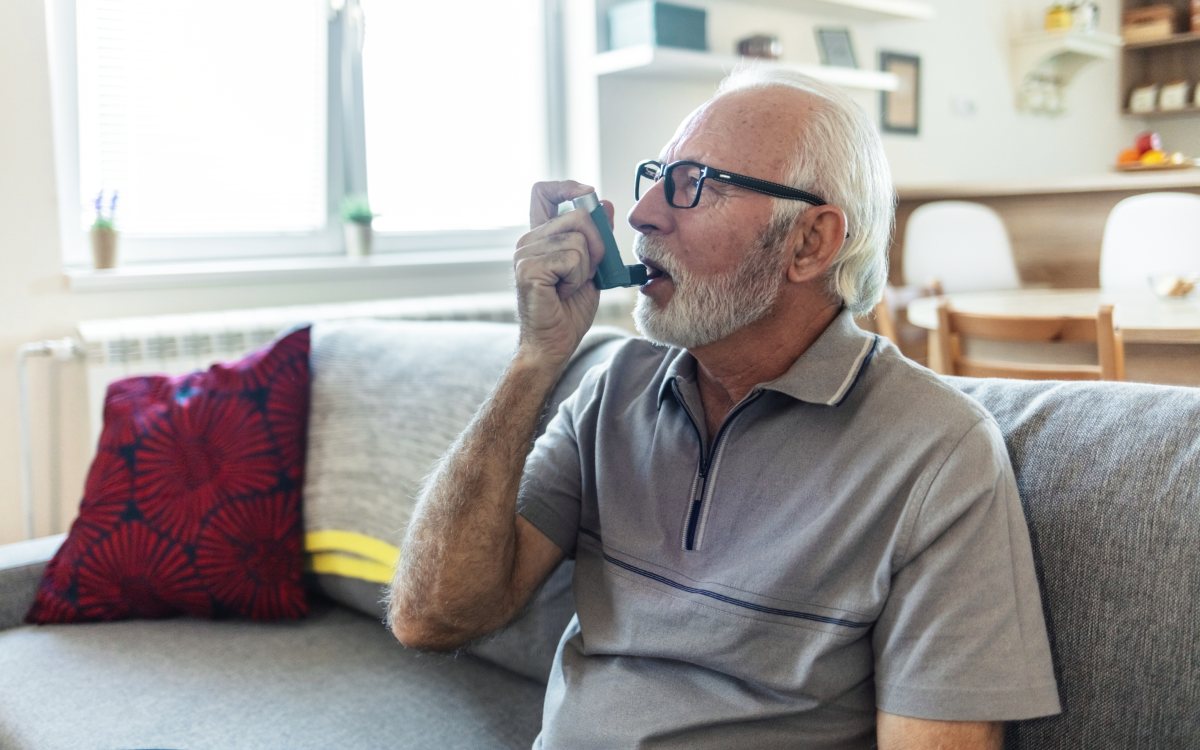
Shortness of breath, also called dyspnea, can be alarming, especially when it occurs suddenly and interferes with daily life. The condition’s severity can vary, depending on the cause. Also, it may come and go, or persist, leaving one tired and uneasy in either case. An effective first step to manage dyspnea—like with most health issues—is to understand its causes and symptoms. The more one understands the condition, the better they can manage it and recover.
Causes of shortness of breath
Physical exertion and environmental factors
The body needs more oxygen when working out or performing activities like running and climbing, which can trigger shortness of breath. The problem may also occur when one spends a long time at high altitudes. Since there is less oxygen in the air at higher altitudes, the lungs and heart work harder to keep up with the demand.
Lung conditions
The primary function of the lungs is to take in oxygen, send it into the bloodstream, and expel carbon dioxide, a process called gas exchange. This process takes a hit when a condition affects the lungs. As a result, the body might run low on oxygen or end up with too much carbon dioxide. In either case, one might feel the need to breathe harder to balance oxygen levels, leading to what they experience as shortness of breath.
Common lung conditions that can cause dyspnea as a symptom include:
- Asthma
- Chronic obstructive pulmonary disease (COPD)
- Allergies
- Pneumonia
- Lung cancer
- High blood pressure in the lungs or pulmonary hypertension
- Sarcoidosis
- Tuberculosis
- Blood clot in the lungs or pulmonary embolism
- Ailments that affect the respiratory system, such as the flu and bronchitis
Respiratory disorders, such as asthma, sarcoidosis, COPD, and pleural effusion (fluid around the lungs), are especially known to cause long-term dyspnea.
Heart conditions
The heart works alongside the lungs to facilitate gas exchange. So, heart-related ailments, which can hinder the organ’s functioning, can also be the reason behind dyspnea. Some examples are:
- Heart attack
- Heart failure
- Cardiomyopathy (ailments affecting the heart muscle)
- Irregularities in heartbeats or arrhythmia
Other conditions
Besides heart and lung ailments, a few other conditions can cause shortness of breath.
- Anemia, a disorder in which a person’s red blood cell count drops, is a common cause of dyspnea. Fewer blood cells mean less hemoglobin to carry oxygen throughout the body, which leads to dyspnea and fatigue.
- Sleep apnea is a condition that causes one to stop breathing while asleep. This forces one to wake up suddenly and can lead to a form of dyspnea called paroxysmal nocturnal dyspnea.
- Anxiety disorder can also cause shortness of breath. In this case, one can experience dyspnea when emotionally stressed or in panic.
- Ailments like hay fever and Guillain-Barré syndrome can also cause shortness of breath.
Treatment for shortness of breath
Only a licensed healthcare professional can determine the exact reason for dyspnea after a diagnosis. Lung function tests, pulse oximetry, blood tests, chest X-rays or CT scans, and ECG are common tests that help professionals identify the underlying cause. Once the reason is known, the treatment plan is tailored accordingly.
Regular exercise
A common remedy for improving lung health and alleviating dyspnea that doctors may suggest for suitable cases is regular exercise. Exercising helps one stay fit and strengthens the lungs and heart, which, in turn, improves the body’s ability to use oxygen efficiently.
Stress management
If stress or anxiety causes dyspnea, relaxation techniques, such as meditation and breathing exercises, may be recommended. Breathing exercises can even help with certain breathing problems.
Ailment-specific treatment
Some conditions may require basic prescription management, while others may need more targeted care. For example, if one has asthma, they may be given inhalers during episodes of shortness of breath. However, if fluid builds up around the lungs, their treatment may involve procedures to drain that fluid and relieve breathing difficulty.