Polycythemia vera – Symptoms and risk factors
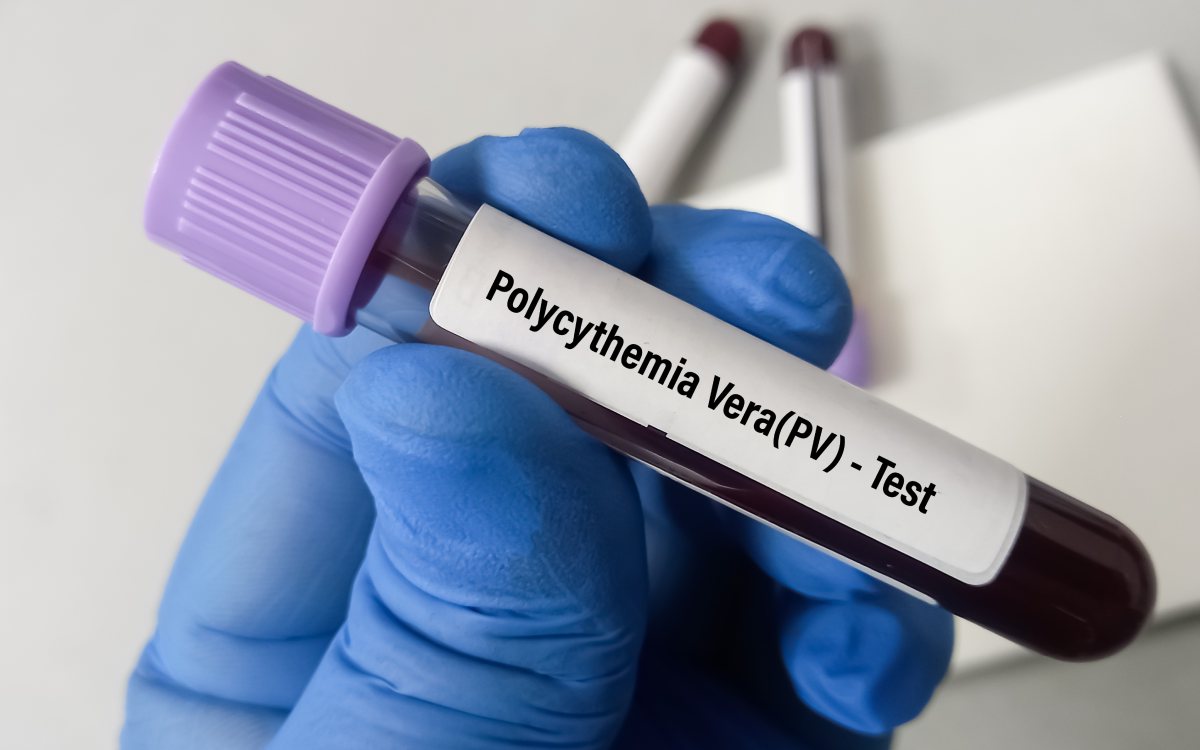
Polycythemia vera, or PV, is a form of blood cancer that starts in the bone marrow, where new blood cells form and grow. PV causes the bone marrow to generate too many new blood cells, increasing the risk of cardiovascular conditions. It develops gradually over many years and typically affects older men, who are usually diagnosed in their 60s or later. Understanding the causes and warning signs of PV can help people take the necessary steps to manage the condition.
Causes
The bone marrow is responsible for producing three types of blood cells: red blood cells, platelets, and white blood cells. The red cells carry oxygen, the white cells fight infections, and the platelets are essential for blood clotting, which helps stop bleeding. Most people with PV have too many red blood cells, but they might also have excess white blood cells and platelets. The condition results from a genetic change that develops during a person’s life, not one they are born with. However, the risk of developing it may be higher in certain families due to inherited factors.
Symptoms
During the early stages, PV can be a silent disease, since people generally do not experience symptoms. A high red blood cell count is often found during a routine checkup.
Many signs and symptoms begin to appear when excessive red blood cells make the blood thicker. When the blood thickens, it does not flow through blood vessels smoothly, the amount of oxygen the tissues and organs receive. People with the condition may experience:
- Headaches
- Blurred or double vision
- Congestion
- Itching
- Fatigue
- Burning sensation in the skin, especially on hands and feet
- Redness of facial skin
- Heavy sweating
- Appearance of reddish-purplish color patches on hands and feet
- Pain in the chest, stomach, and joints
With progression, symptoms can worsen, and new ones may even appear.
- Bleeding gums
- Heavy bleeding from small cuts
- Bleeding in the digestive tract
- Bone pain
- A feeling of fullness
- Blood clots, or thrombosis
- Spleen enlargement
- Liver enlargement
- Joint swelling
In severe or advanced cases, the blood clots can stop the blood and oxygen supply to vital tissues and organs. This can worsen the condition, leading to severe complications.
- Stroke
- Intestinal injuries
- Heart attack
- A blockage in a lung artery, which can be caused by the clots present in the blood vessels of the lungs or clots that have travelled there
Secondary conditions caused by PV
Thrombosis is a very common and serious complication for individuals living with polycythemia vera. When the bone marrow produces excessive red blood cells, the blood becomes thicker and flows less smoothly. This, in turn, makes it easy for blood components to accumulate, leading to clots. Such blood clots can form in the arteries or veins. The high platelet count associated with PV can also create a prothrombotic environment.
Symptoms presented by thrombosis can depend on the location of the clot. If it is in the blood vessels of the brain, it can lead to complications like a stroke. And if the clot is in the heart’s blood vessels, it can cause a heart attack. Deep vein thrombosis (DVT) occurs when a clot forms in a vein. DVTs often affect the legs, abdomen, arms, or pelvis.
PV can also result in increased uric acid levels in the body. This can lead to issues like gout or kidney stones.
Long-term complications like myelofibrosis are also a possibility. It is a condition in which scar tissue begins to replace normal bone marrow cells. This complication can lead to an enlarged spleen and liver. In such severe cases of PV, doctors often recommend a bone marrow transplant.