DIY face masks – Benefits and recipes
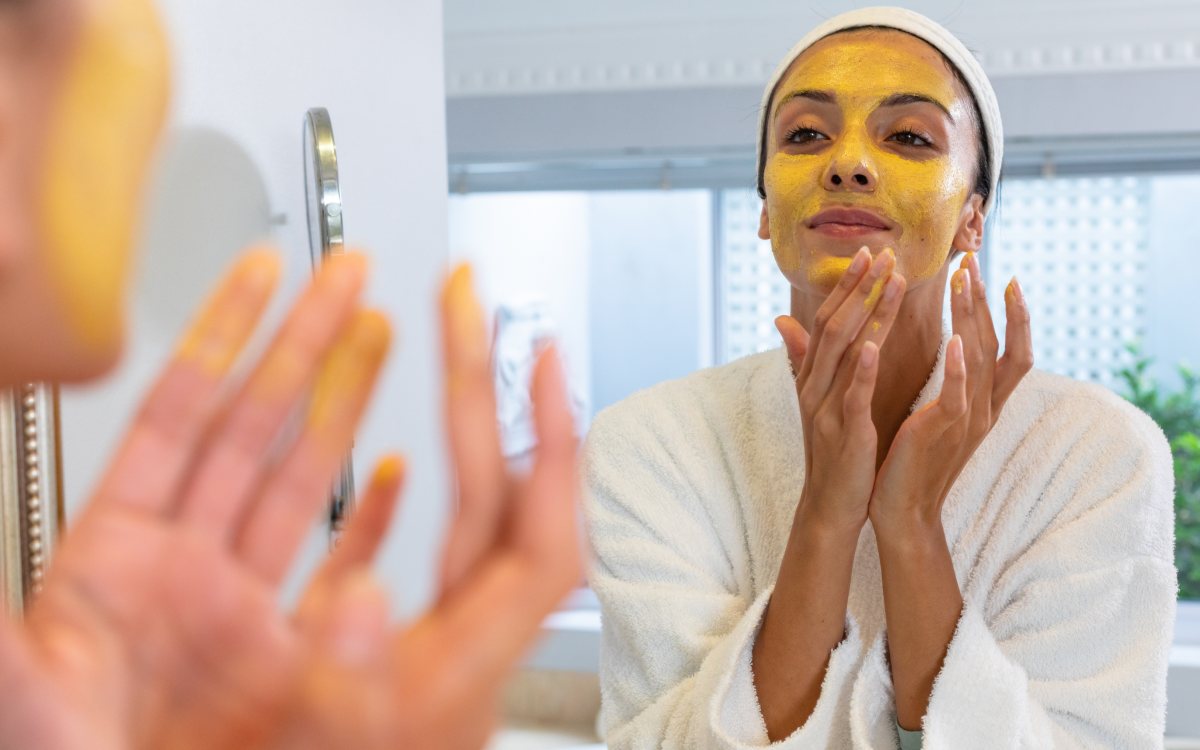
Homemade face masks help nourish the skin naturally. They are made with simple kitchen ingredients, such as honey, yogurt, and oats. Unlike store-bought options, they do not contain chemicals or artificial colors. As a result, they are gentler on the skin and rarely cause irritation and redness. For the best results, homemade skincare masks can be used multiple times a week alongside other routines, such as cleansing, moisturizing, and applying sun protection.
Benefits of DIY face masks
Gentle exfoliation
DIY face masks usually contain ingredients like oatmeal, coffee grounds, or finely ground sugar. These ingredients have exfoliating properties, meaning they help remove dull, dead cells, making the skin brighter and smoother. At the same time, they are gentle on the skin, so even someone with sensitive skin might be able to use these masks for exfoliation.
Deep moisturization
Some organic ingredients, such as yogurt, honey, and avocado, have hydrating properties. So, using them in face masks helps moisturize the skin and strengthen the skin’s natural moisture barrier. Regularly applying these moisturizing masks can make the skin glow from within, giving it a supple, refreshed look.
Nourishment from nature
Homemade masks are made using natural ingredients rich in vitamins, antioxidants, and minerals that improve skin health. Some examples include banana, olive oil, aloe vera, and turmeric. Store-bought products rarely contain such ingredients and instead rely on stabilized, scientifically formulated ingredients.
Customization
When making DIY face masks at home, one has complete control over what goes into the recipe. One can choose pantry ingredients depending on the skin problem being managed. For example, honey and turmeric can be used when making homemade face masks for glowing skin. Similarly, lemon juice and banana can be used for blocked pores.
Natural face mask recipes
Hydrating honey and yogurt mask
A simple mixture of plain yogurt and honey can be used to make a smooth, creamy mask with nourishing properties. Yogurt contains lactic acid, which lightly exfoliates the skin, while honey works as a natural humectant, adding moisture. To make this mask, combine one tablespoon of plain yogurt with an equal amount of honey. Cleanse the skin properly, apply the mask, and wash it off with warm water after about 15 minutes.
Refreshing cucumber and aloe mask
This mask has a cooling effect that helps with tired or sun-exposed skin. To make it, blend half a peeled cucumber with two tablespoons of pure aloe vera gel. Mix well until a light, gel-like consistency is formed. Spread the mixture evenly all over the skin and leave it on for about 15 minutes before rinsing off. The cucumber naturally cools and calms the skin to reduce temporary redness and irritation. Meanwhile, aloe vera provides necessary hydration, keeping the skin feeling refreshed and relaxed.
Brightening oatmeal and lemon mask
For a natural glow, a mix of oats, honey, and lemon juice can do the trick. Oats work as a mild exfoliant to remove buildup and smooth out uneven texture. Lemon helps brighten the skin’s natural glow, while honey adds essential hydration. For sensitive skin, the lemon can be replaced with mashed banana. To prepare the mask, mix about two tablespoons of finely ground oats with one teaspoon of honey. To this, add just a few drops of lemon juice. Apply a thin layer of the mask to the skin; then rinse it off after 10 to 15 minutes.
Nourishing avocado and olive oil mask
Avocado is full of healthy fats, vitamins E and C, and antioxidants that improve the skin’s elasticity and suppleness. Meanwhile, olive oil is a natural moisturizer. To make this mask, mash half a ripe avocado with one teaspoon of olive oil until smooth. Apply the mixture evenly to the face and let it sit for 10 to 15 minutes before rinsing with warm water.