COPD – Symptoms, causes, and home remedies
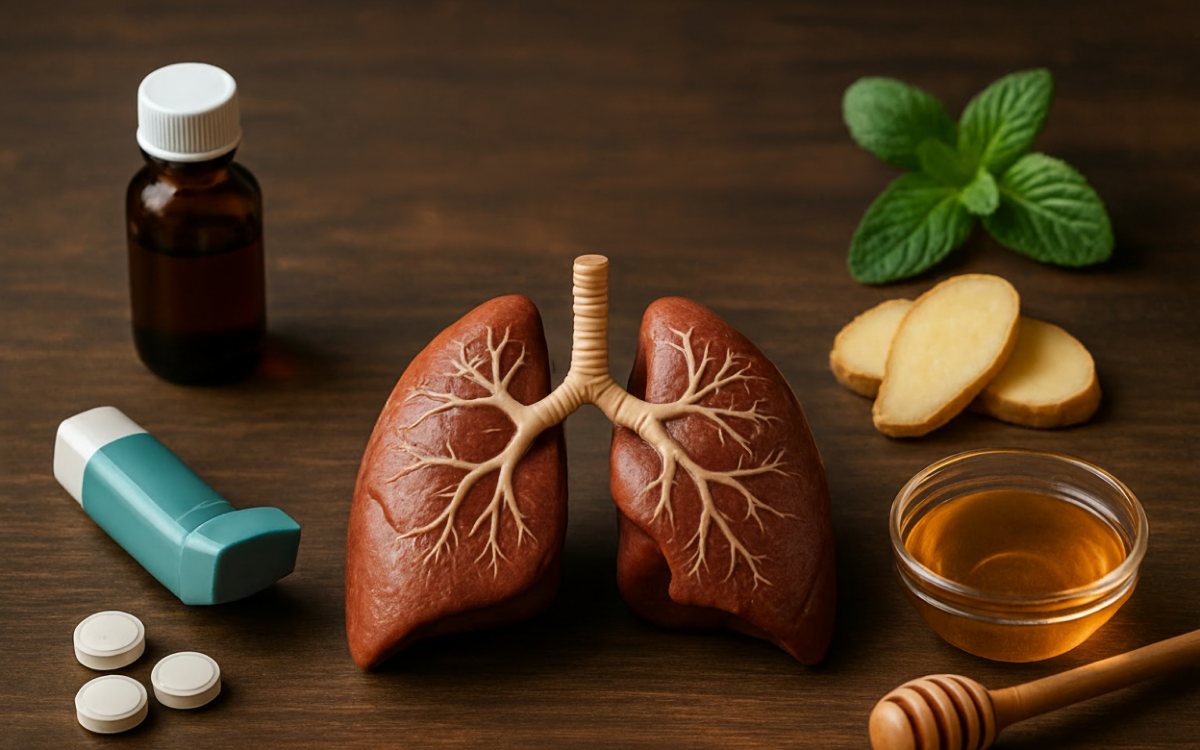
Chronic Obstructive Pulmonary Disease (COPD) is a condition caused by damage to the lungs and the airways that results in inflammation in the region. Early signs of COPD include difficulty breathing, coughing, and excessive mucus production in the lungs. As the condition progresses, routine tasks, such as walking and cooking, become increasingly difficult. Understanding the causes and symptoms of COPD and how to manage it can help individuals take proactive steps to support their overall well-being.
Warning signs and symptoms
Shortness of breath
COPD inflames multiple regions of the lungs and the airway linings. This causes mucus to build up and obstruct the airways, affecting inhalation and exhalation. As a result, those with this condition experience shortness of breath, particularly during physical activity.
An ongoing cough
A cough that produces copious mucus is often the first symptom of COPD. It is frequently followed by wheezing or whistling on inspiration after coughing.
Chest tightness
Excess mucus in the lungs can cause a sensation of heaviness or pressure in the chest. This is accompanied by pain while attempting to take full, deep breaths.
Fatigue
Damaged, inflamed airways and lungs make breathing difficult, as more energy is required to perform this function. The chronic strain leaves the body struggling to get enough oxygen in and remove waste carbon dioxide. This leads to oxygen deprivation and, subsequently, fatigue.
Stages
Mild
Individuals experience symptoms, such as a mild cough and shortness of breath, when climbing stairs or during exercise. They often easily overlook these early signs or mistake them for other, less serious conditions.
Moderate
Individuals feel out of breath while walking on flat surfaces or over longer distances. In other words, the symptoms become more frequent and begin to affect the quality of life.
Severe
Individuals start experiencing the symptoms daily. Additionally, the severity of these symptoms increases, making it more difficult to walk or perform even routine activities.
Very severe
Even standing or walking a few paces feels nearly impossible in this stage. Blood oxygen levels remain low, and individuals lack the energy to perform most tasks.
Causes
Long-term exposure to lung irritants
Exposure to air pollution, dust, or workplace contaminants (in mining, construction, or manufacturing) can damage the airways over time and cause long-term inflammation.
History of respiratory issues
Those with a history of lung-related conditions like asthma are at a higher risk of developing COPD over time.
Indoor pollution or contaminants
Using wood or coal for cooking or heating, particularly in poorly ventilated homes, increases the risk.
Family history
A family history of COPD significantly increases the risk of developing the condition.
Home remedies
Improving air quality at home
Certain indoor irritants make breathing difficult, particularly for those with COPD. These include paints, varnishes, commercial cleaning products, pesticides, dust, and pet dander.
There are many ways to improve the air quality inside a home. A few measures include avoiding direct contact with household chemicals, keeping windows open to improve airflow and ventilation, using an air filtration system, and washing bed linens weekly to reduce dust mites.
Practicing breathing exercises
Some exercises, such as diaphragmatic breathing and pursed-lip breathing, are known to strengthen the muscles involved in breathing and, consequently, reduce the severity of COPD symptoms.
Using essential oils
The aroma of oils from plants like lavender, gardenia, and eucalyptus can reduce airway inflammation. Studies have found that smelling essential oils can be an effective at-home management strategy for individuals with COPD.
It is important to note that these strategies are complementary measures, not a replacement for conventional treatments. Only a healthcare professional can officially diagnose COPD, determine its severity, and suggest management options. So, before opting for any home remedies, consult a licensed physician.