Causes and management options of hand tremors
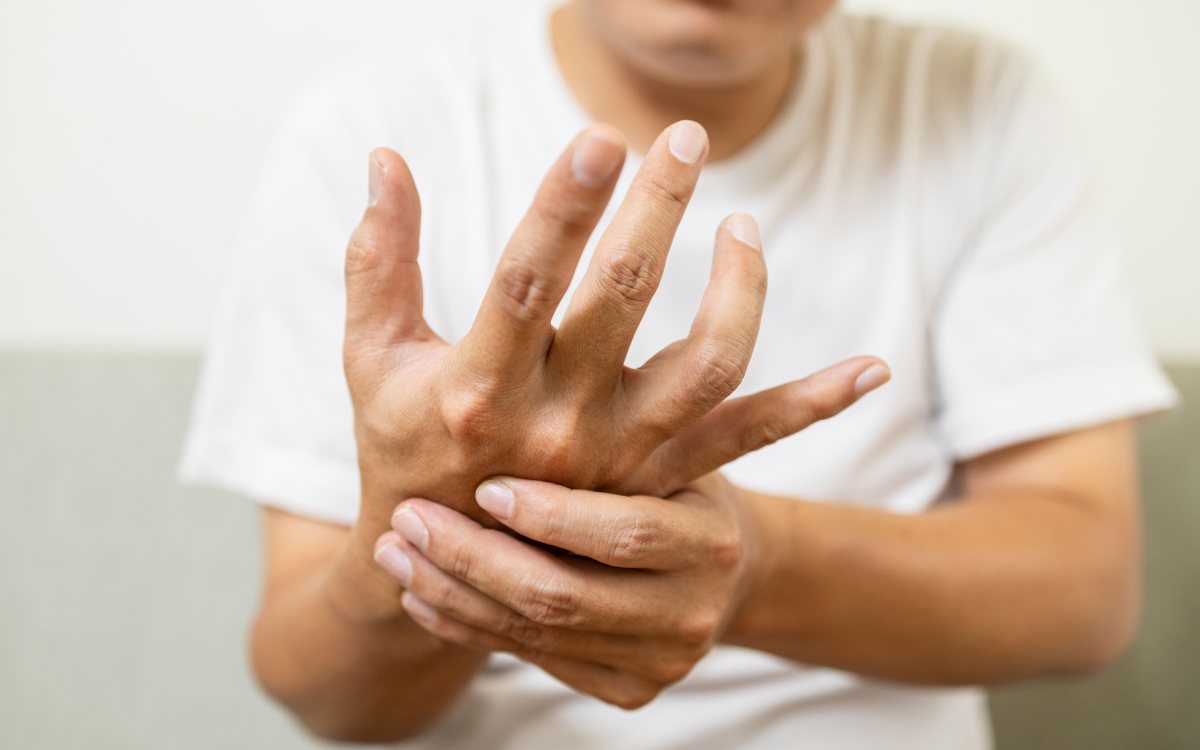
Hand tremors or shaky hands are a symptom of a neurological disorder called essential tremor (ET), characterized by involuntary, rhythmic shaking, most commonly affecting the hands. These tremors gradually worsen, making daily tasks challenging. The onset of essential tremor can happen at any age, but it’s most commonly seen in individuals aged 40 and older. The best approach to managing the condition is to determine a suitable management plan through expert consultation.
Causes
Hand tremors are a symptom caused by various health conditions, including essential tremor. Other possible reasons for hand tremors include emotional stress, exposure to extreme temperatures, fatigue, and an excessive intake of stimulants like caffeinated drinks.
Enhanced physiologic tremor
This is one of the most commonly observed postural tremors (i.e., tremors that occur when a position is maintained against gravity). Enhanced physiologic tremor (EPT) usually affects the hands and fingers on both sides of the body. A few factors, such as chronic stress, lack of sleep, excessive caffeine intake, and vigorous exercise, can worsen EPT in some individuals. Anxiety and fatigue may also lead to shaky hands.
Neurological conditions
Sometimes, tremors, including shaky hands, are caused when deep parts of the brain that control movement don’t work as they should.
- Multiple sclerosis
Those with multiple sclerosis (MS) may experience some level of tremors. This happens when the disease damages areas in the pathways of the central nervous system that control movement.
- Parkinson’s disease (PD)
Those with PD often experience tremors when at rest, during movement, or both. These tremors typically start in one hand and may eventually spread to the other hand.
- Stroke
Following a stroke, a person may exhibit a variety of tremors, depending on the area affected. For instance, damage to the basal ganglia can result in resting tremors (difficulty controlling speech, posture, and movement), whereas damage to the cerebellum can trigger intention tremors (involuntary muscle contractions in the arm or leg).
Lifestyle and wellness choices
A poor lifestyle, including excessive caffeine intake and inadequate sleep, can lead to conditions that cause shaky hands. Other issues, like hyperthyroidism, liver or kidney failure, and post-traumatic stress disorder, can also cause tremors. Inherited genetic disorders, like hereditary ataxia and fragile X syndrome, may also cause these shaking movements.
Management
A healthcare expert can develop a comprehensive management plan to manage shaky hands. In addition to these treatment options, individuals should incorporate changes to their daily routines to help address the issue.
Therapy
Experts often recommend therapies, including physical routines like tremor relief exercises, to improve muscle strength, coordination, and control. They may also recommend using adaptive devices to help reduce the impact of tremors on daily activities. These devices can include specialized glasses and utensils, wrist weights, and wider, heavier writing tools, such as wide-grip pens.
Nerve stimulation devices
Wearable electronic peripheral nerve stimulation devices are a modern solution for managing symptoms like hand tremors. These devices are typically worn as wristbands for about 40 minutes, twice a day. They work by stimulating nerves and muscles that trigger a muscle response and, in turn, reduce tremors.
Home remedies
In addition to expert therapy and external devices, individuals can follow certain steps to manage hand tremors at home.
- Cutting down caffeine intake can help with hand tremors, as caffeine is a stimulant.
- Taking enough time to wind down and relax can help ease stress and anxiety. While stress can be constant, learning to manage it through relaxation methods, such as massage and meditation, can make a significant difference.
- Using the hand less affected by the tremor more often can also help. The affected individual must consider alternative methods to avoid writing. For example, they can consider using online banking and debit cards to handle money instead of writing checks. Additionally, they can use voice commands on smartphones rather than pressing the touchscreen.