Balding – Warning signs, causes, and management options
Losing around 50 to 100 strands of hair daily is quite normal. However, large clumps of hair on the pillow, in the shower drain, or on the brush can be a cause for concern and lead to balding in men and women. Fortunately, knowing the warning signs, causes, and management methods can help one slow hair loss and restore their confidence.
Signs of balding
There are many early signs that can be observed before bald spots become visible. Knowing about these common indicators can be helpful.
Receding hairline in men
The hair along the temples appears to pull back, forming an M-shape. This usually starts in the 20s or 30s as hair along the front begins to thin gradually.
Crown thinning
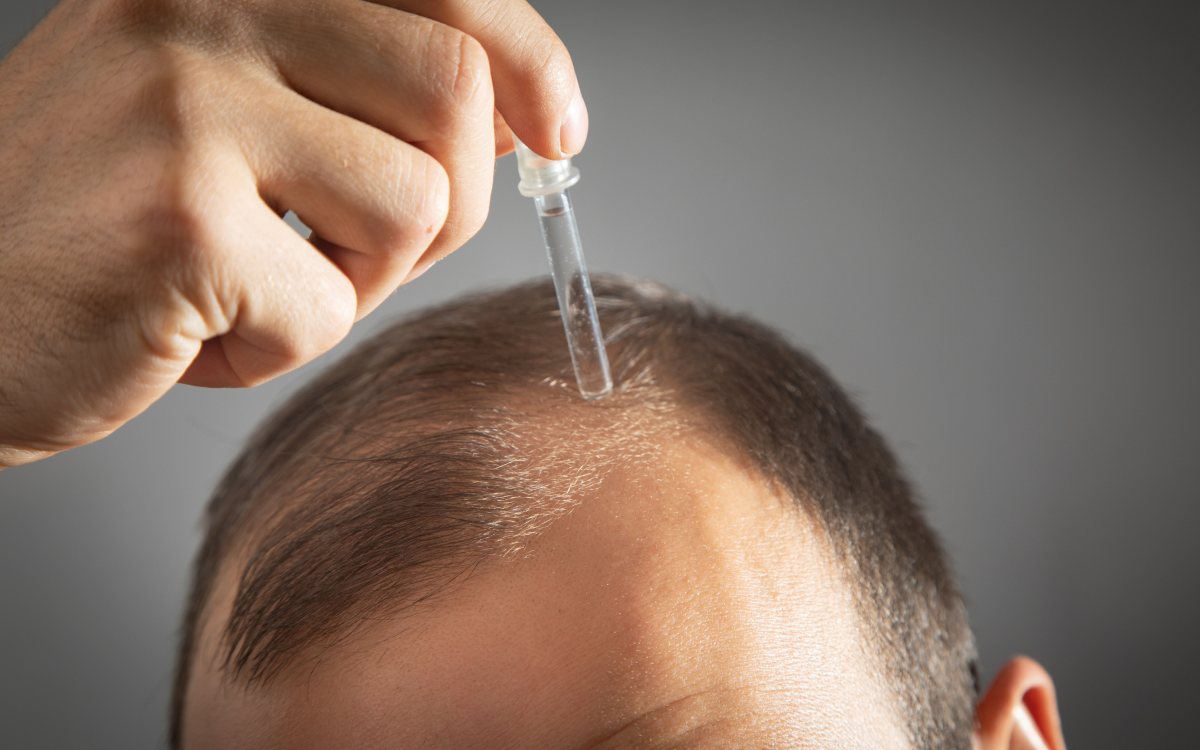
The scalp becomes more visible at the top of the head. This happens when the hair density in this area drops. Many may see visible patches when brushing their hair or in bright light.
Widening of the part in women
The central line along which hair is usually parted widens over time. Along with this, the hair starts to lose its overall thickness, appearing finer over time.
Diffuse thinning
Hair volume starts to decrease throughout the scalp. So, when running fingers through it or styling it in ponytails, one may notice that their hair feels less full.
Shedding patterns
More than 100 strands of hair fall out during washing or brushing.
Causes
A common cause of balding is slower regrowth, wherein hair takes longer to grow back. Also, strands start to have shorter lifespans, falling out sooner than the usual three to five years. Sometimes, itchy or oily scalp patches also appear in the thinning areas, indicating inflammation and irritation underneath the scalp.
Genetics
Androgenetic alopecia, a common form of balding, is generally passed down from parent to child. It slowly shrinks the hair follicles over several years, reducing their growth.
Aging
Cell turnover to slow down with age is quite natural. This causes hair to become weak over time.
Tight hairstyles
Styles like ponytails or slickback hair can cause the roots to become weak over time. This can lead to severe hair loss and balding. Also, frequent use of hair straighteners and hair dryers can affect hair growth and strength.
Lifestyle factors
Improper nutrition, chronic stress, and irregular sleep cycles can also lead to hair loss and balding.
Home remedies for hair thinning
Following a few simple routines can support the scalp and slow hair loss. Most of these steps can be easily fit into daily life to get better results over time.
Scalp massage
One can spend about five minutes a day to massage the scalp. This improves blood flow to the follicles, helping to make hair stronger. Essential oils like rosemary can be mixed with any neutral oil for massage.
Natural masks
Homemade hair masks containing aloe vera or fresh onion juice can soothe the scalp while providing a natural blend of nutrients to the roots. One can apply these masks once a week to get better results.
Nutritious foods
Eggs, nuts, and spinach are good sources of biotin and other vitamins that support hair growth.
Gentle products
Products that are gentle on the hair and scalp can help reduce hair fall while strengthening hair from the inside out.
Professional management options
Treatments can give targeted support when there is noticeable thinning and balding. Consulting a dermatologist or specialist can help in determining which of these options is suitable.
Hair transplants
Non-invasive techniques are used to move healthy follicles from denser areas to thinning spots. Once the transplanted hair grows back permanently over the course of months, the results look natural.
Scalp reduction
An expert will remove bald sections and stretch the scalp to cover them. This reduces the appearance of visible areas. This treatment usually works for crown balding, with the scars hidden under the remaining hair.
Skin lifts and grafts
A skincare professional will take small skin patches from donor sites, graft them onto bare areas, and blend them with the surrounding hair. This covers the bald patches, making the hair pattern appear more uniform.