6 early signs of heart failure
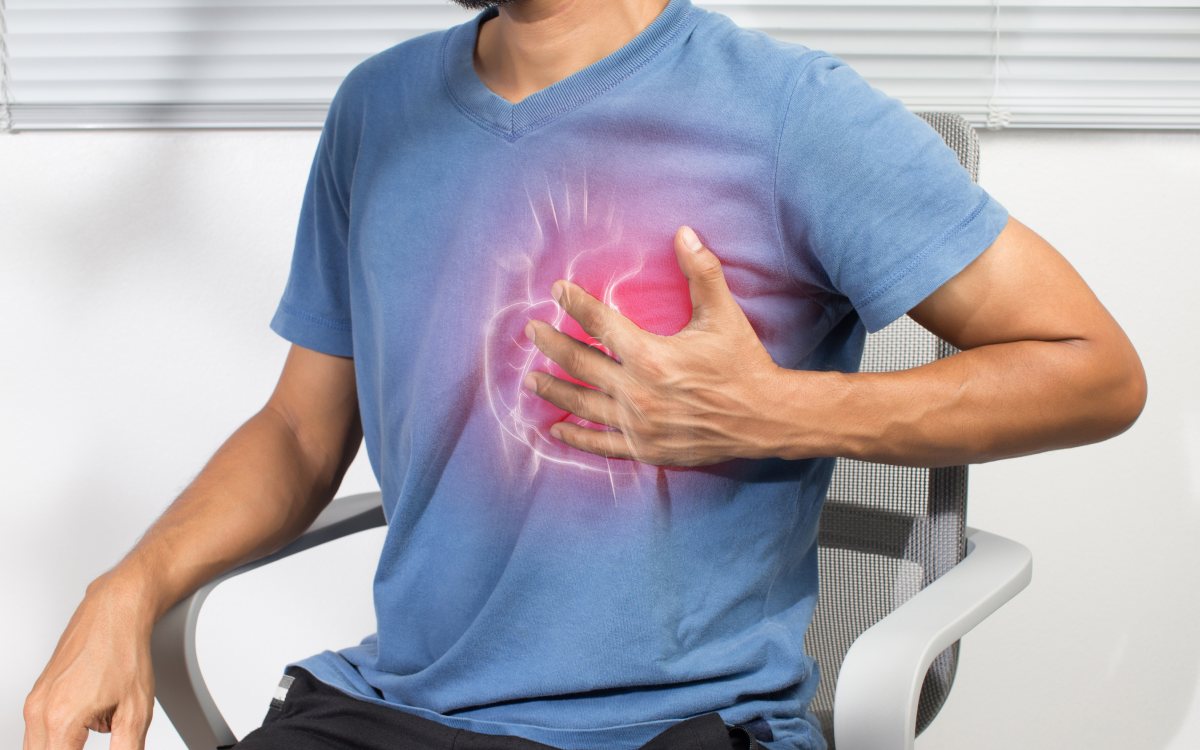
Heart attack and heart failure are not the same thing. A heart attack occurs when blood flow to the heart is blocked. It is a sudden, acute event that causes severe chest pain that radiates down to the left arm. Heart failure, on the other hand, is a chronic, progressive condition where the heart stops pumping blood effectively. The early symptoms of heart failure are different from those of a heart attack, and recognizing them is crucial.
Shortness of breath
The heart and lungs work in tandem, helping each other out. First, the heart’s right atrium and ventricle receive impure blood and pass it to the lungs. The lungs then oxygenate and return it to the left atrium and ventricle. Now, the left side of the heart pumps out oxygen-rich blood to the body. Heart failure affects this system. It prevents blood from being pushed into the lungs for oxygenation and then returned to the body smoothly. As a result, oxygen supply decreases. To make up for this short supply, the affected individual breathes as deeply as they can, but they still do not feel like they are getting enough oxygen.
Lingering cough
A nagging, dry cough is another symptom to recognize heart failure. This cough is persistent, particularly when lying down and at night. At times, it may lead to white or pink mucus that is somewhat frothy. The cough is primarily due to pulmonary congestion, which is the accumulation of fluid in the lungs, that occurs when the cardiovascular system cannot properly pump blood forward. The buildup causes inflammation or irritation in the lungs, triggering wheezing and coughing. At times, this symptom is also known as cardiac asthma.
Difficulty exercising
When an individual with heart failure works out, they may immediately experience an increased heart rate and might start gasping for air. This might cause others to think they have simply been “out of practice” for a long time, when, in fact, it is a signal that their heart is trying to fight. Even simple exercises, such as climbing stairs and walking across the hallways, can become difficult.
Heart palpitations
Increased heart rate or heart palpitation is another warning sign of heart failure that should not be overlooked. When the heart does not pump enough blood, the body makes it beat faster. This can cause an individual to experience heart fluttering, racing, and pounding. The heart may also squeeze in extra or irregular beats to supply the right amount of blood to the rest of the body.
Lower limb swelling
Heart failure reduces blood supply to the internal organs, including the kidneys. When this happens, the kidneys begin to retain fluid. This fluid collects in the lower limbs, causing the skin in the area to puff up and appear stretchy and shiny. It is a common problem known as edema. An easy way to check for edema is to press a finger into the swollen area and note how quickly the indentation disappears. With edema, the indentation can take a few seconds to recede.
Loss of appetite
During heart failure, the body restricts blood flow to vital organs, tissues, and systems, including the digestive tract. When the digestive tract and associated organs do not get enough blood, they slow down. This often leads to loss of appetite. An individual may start feeling full after just a few bites, even when eating their favorite food. The symptom can be accompanied by indigestion, bloating, and constipation, making it difficult to meet nutritional requirements.
It is important to know what the first signs of heart failure are, especially for those in the high-risk category. Diagnosis becomes difficult when individuals overlook the symptoms and treatment is also delayed.