5 common food allergens
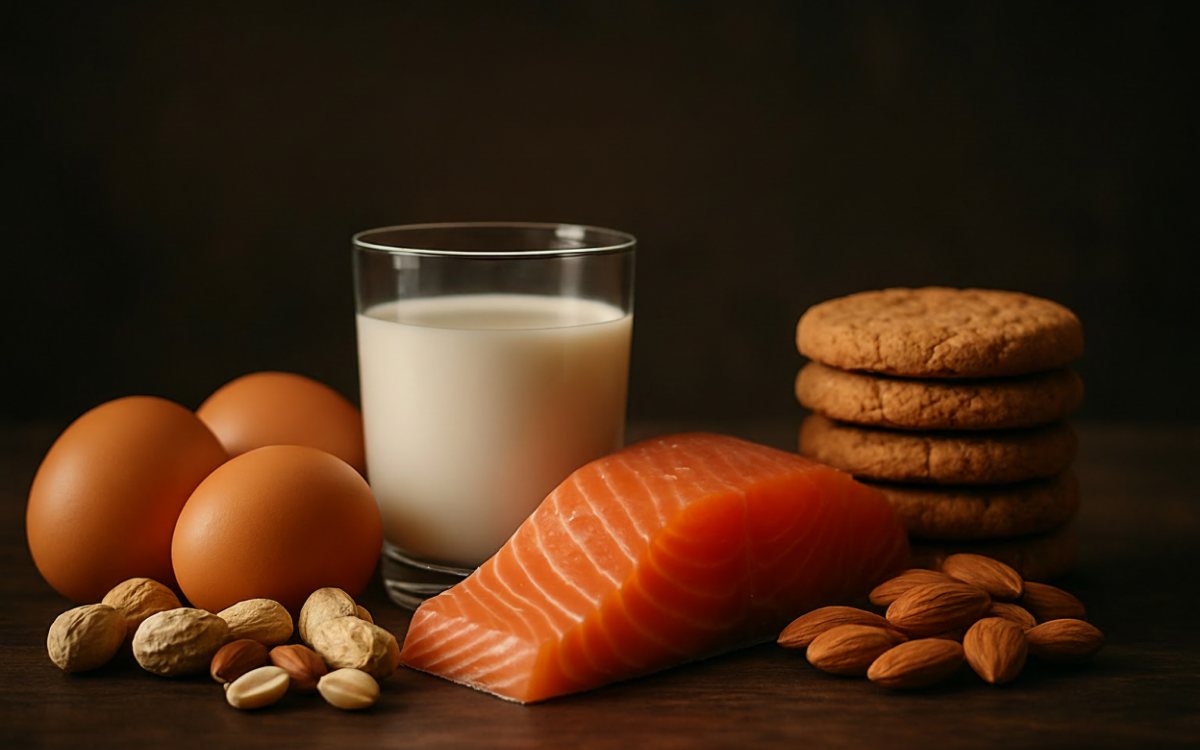
A food allergen is an ingredient that triggers an abnormal immune response when ingested. Although food allergies can be bioindividual and can be caused by many reasons (mainly the protein content), there are certain items that are most likely to trigger these reactions. Knowing about these common food allergens and the allergic symptoms they cause can help one seek timely treatment before the condition worsens.
What causes food allergies
When someone has a food allergy, their body mistakenly recognizes certain foods or food components, usually specific proteins, as harmful substances. The immune system then remembers these allergens for future encounters. Even when a small amount of the allergen enters the system, the antibodies react by releasing histamine (a key mediator of immune responses), resulting in an allergic response.
Commonly, if one has food-related allergies, they experience skin itching, hives or rashes, swelling of the face, lips, mouth, and tongue, wheezing, shortness of breath, and an itchy mouth and throat. These reactions typically begin within two hours of consuming the food containing these allergens. Signs such as a runny nose, sneezing, coughing, diarrhea, hoarseness, vomiting, and abdominal pain are also indicators of an allergic reaction. These symptoms can be serious and warrant a visit to a physician, even if one has previously experienced mild reactions.
Common food allergens
The 2004 Food Allergen Labelling and Consumer Protection Act (FALCPA) identified eight of the most common foods that cause allergies, with a ninth added (sesame) to the allergenic food list in 2021. Some common food allergens from the list are mentioned.
Peanuts
Peanuts are among the most common food allergens, like tree nuts (cashews, almonds, and walnuts), and an estimated 6.2 million people in the country have this allergy.
However, the two conditions are different because peanuts are not nuts; they are legumes. That said, someone with a peanut allergy is also likely to be allergic to at least one tree nut.
To manage a peanut allergy, it is essential to avoid eating peanuts in any form (cooked, dried, or roasted). This also means avoiding beverages that contain them. However, if an allergic reaction occurs after accidental ingestion, seeking professional treatment is imperative.
Shellfish
A shellfish allergy occurs when the body reacts to the proteins found in lobster, prawns, shrimp, squid, and scallops. Many people who are allergic to shellfish first notice symptoms in adulthood. Unlike some other food allergies, shellfish allergies typically do not resolve over time.
Some individuals may experience allergic reactions from inhaling the fumes released during the cooking process. Therefore, it is best to avoid seafood, even when it is being cooked, to prevent triggering an allergic reaction.
Eggs
Most of the proteins that trigger food allergy reactions are found in the egg whites, although some individuals may be allergic to the yolk. Individuals with egg allergies are advised to avoid them until the condition is managed or resolved, rather than experimenting with egg whites or yolks individually. Some affected individuals may be able to tolerate egg-containing foods.
Fish
A significant number of people develop allergic reactions to fish later in life. The allergic reactions triggered can often be intense and severe, developing uncomfortable symptoms such as vomiting and diarrhea. However, at times, the person may be reacting to a potential contaminant in the fish. Halibut, salmon, and tuna are among the most common fish that cause allergic reactions. Those affected are often advised to carry prescribed treatment to manage the reaction in case of accidental intake.
Additionally, a person with a shellfish allergy may not be allergic to finned fish because of the difference in protein content between the two.
Milk
A fairly common food allergen among infants and younger children is cow’s milk. Most children develop a milk allergy in the first year of their life, affecting about 3% of newborns and toddlers. Fortunately, many individuals can outgrow this allergy with age and safely consume milk a nd milk products.
There is no specific treatment for recovery, so the best approach is to avoid it altogether. This means avoiding cheese, butter, milk, cream, yogurt, and other dairy products.