7 ways to lower cholesterol naturally

7 ways to lower cholesterol naturally

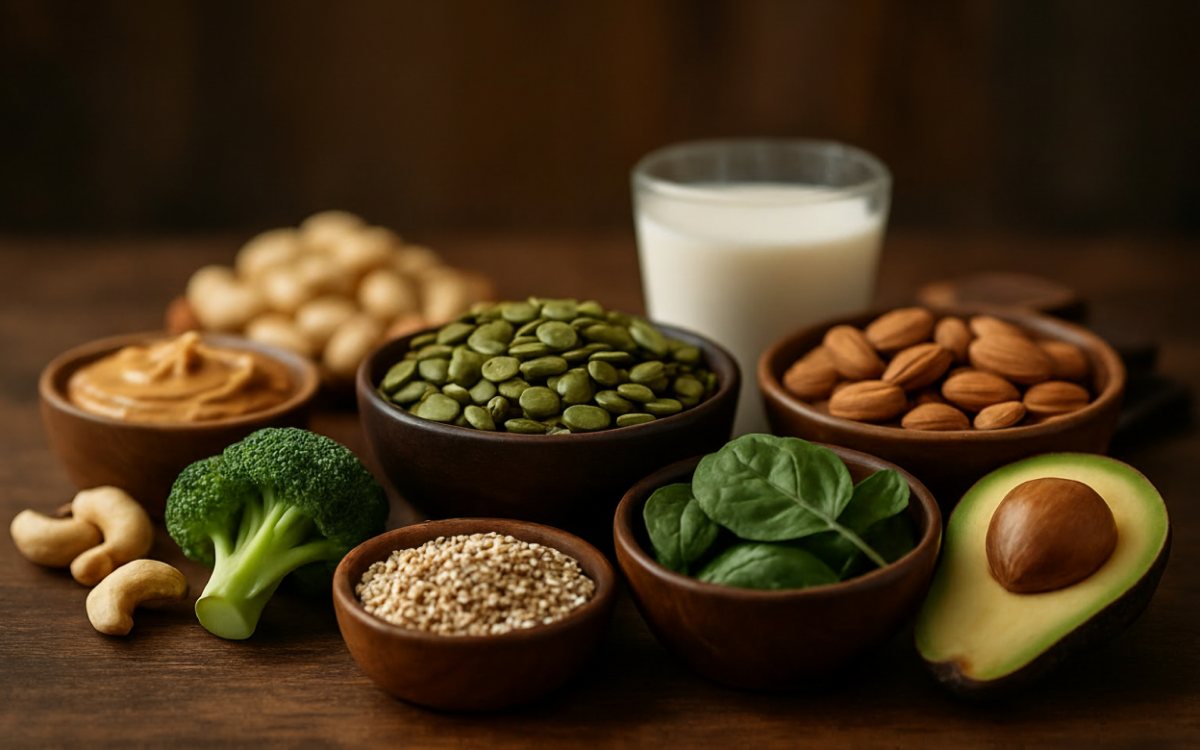
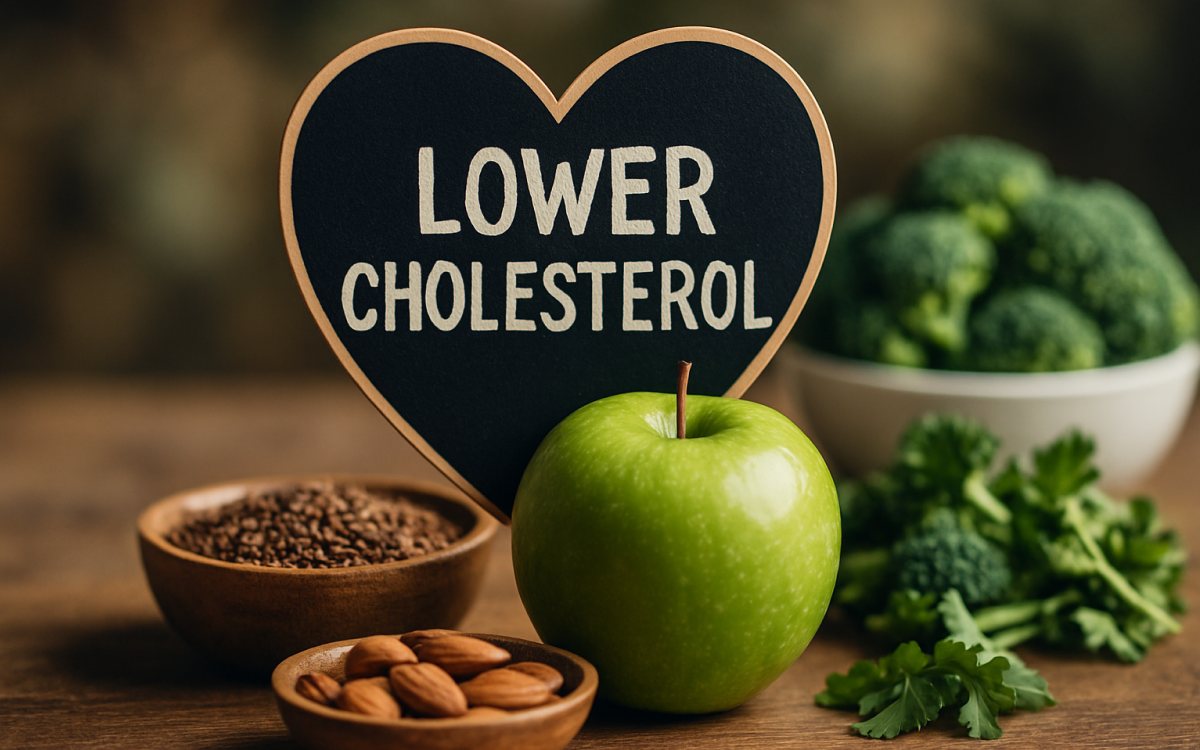
Cholesterol performs many important roles in the body. For instance, it helps cells maintain their structure, aids in producing hormones, balances vitamin D levels, and supports digestion. That said, too much cholesterol can increase the risk of various health conditions, including heart disease. Fortunately, one can lower cholesterol levels naturally to a certain extent by making healthier lifestyle choices, such as eating the right foods and exercising. Eat more plant-based foods Plant-based foods, such as vegetables, fruits, beans, lentils, and whole grains, are packed with nutrients that help lower cholesterol levels naturally. They are also good sources of essential vitamins, minerals, and antioxidants that help reduce inflammation caused by high cholesterol. There are many ways to incorporate plant-based foods into meals. For instance, one can prepare stir-fried vegetables and veggie-packed bowls or simply add beans and lentils to chili, tacos, and soups. Besides helping lower cholesterol, these plant-based foods add a dash of color to the plate, making meals feel more appetizing.  Choose healthy fats over saturated fats Saturated and trans fats increase cholesterol in the body. On the other hand, unsaturated fats support better cholesterol balance. One way to include more unsaturated fats in meals is to cook with olive, avocado, sunflower seed, or canola oil instead of butter or shortening.
Read More

Role of hydration, sleep, and movement in immunity regulation

Role of hydration, sleep, and movement in immunity regulation

Three key elements that contribute to immune health are sleep, hydration, and physical activity. Hydration is essential for survival, migration, and responses of immune cells to harmful microbes, while quality sleep supports the creation and regulation of immune cells that fight infection and inflammation. On the other hand, physical activity enhances immune function and reduces the risk of chronic inflammation. Together, these three elements, along with some immunity and wellness basics, can enhance a person’s disease-fighting mechanisms. Role of hydration in strengthening the immune system White blood cells, like other cells in the body, require enough hydration to function normally. A consistent supply of water enables these cells to survive and perform their respective functions. Hydration and the lymphatic system are closely linked. Lymphatic fluid can move only through water, and this fluid actively looks for pathogens and other harmful microbes before eliminating them. Drinking enough water keeps this fluid in motion. Water also helps facilitate the transport of white blood cells to various parts of the body, enabling them to fight against bacteria and viruses. Several studies have shown that even mild dehydration (losing 1-2% of body water) can impair immune response and cognitive function. Additionally, there’s a direct correlation between inadequate water intake and reduced immune cell counts and gut health issues, which are linked to impaired T-cell function in the gut.
Read More
Common magnesium-rich foods to improve sleep quality

Common magnesium-rich foods to improve sleep quality

The human body requires certain minerals to support bodily functions. One such mineral is magnesium. It supports sleep by soothing the nervous system, relaxing muscles, and regulating hormones during rest. It also facilitates the release of GABA, a neurotransmitter that promotes calmness and eases tension. However, many people struggle with magnesium deficiency, leading to poor sleep quality and increased stress levels. In such cases, including magnesium-rich foods can enhance sleep quality, lower stress, and improve muscle movement. Pumpkin seeds These seeds, also known as pepitas, are a solid natural source of magnesium. A single cup of dried pumpkin seeds contains as much as 792 mg of magnesium, as per the USDA statistics. Even consuming a quarter cup of these seeds can help in meeting one’s daily magnesium needs. These seeds can be consumed in different ways. One can eat the seeds raw or roast them to enhance flavor. Alternatively, they can be eaten as a standalone snack or used as a garnish on a regular meal to add crunch and flavor. Many people often use these seeds as a topping to add extra flavor, texture, and nutrition to dishes such as yogurt, porridge, and salads. Nuts Nuts and seeds are among the richest sources of naturally occurring magnesium, even when they are consumed in small servings.
Read More

Most Popular

Trending Articles

Top Articles

Types of physical therapy for Parkinson’s disease

Types of physical therapy for Parkinson’s disease

Parkinson’s disease is a neurodegenerative disorder that affects the parts of the brain that control motor function. Tremors, stiffness, and loss of balance are some of its common symptoms. Healthcare professionals often recommend physical therapy to manage the condition and slow its progression. They create personalized sessions based on one’s needs. Resistance training with light weights, balance routines, such as tai chi, and exercises like brisk walking are common inclusions in these sessions. Physical therapy options For Parkinson’s disease, there are three core approaches to physical therapy. These are aerobic exercise to build endurance, resistance training to increase strength, and balance/gait training to improve coordination. Most professional therapists tailor physical therapy for Parkinson’s disease to each person’s fitness level. The sessions are often short and progress slowly for sustainable gains. Aerobic exercise Moderate-to-high-intensity aerobic activities, such as stationary cycling and brisk treadmill walking, improves cardiovascular endurance. Over time, one’s energy levels increase, making routine activities easy. Completing longer walks around the block without getting tired also becomes possible. Furthermore, the severity of motor control symptoms reduces. For aerobic exercise, 30-minute sessions three times per week are enough for noticeable improvements in stamina. Some common aerobic exercises that can be done under professional supervision include: